
We see them everywhere, Instagram captions, office posters, daily calendars: “Believe you can and you’re halfway there,” or “Your only limit is your mind.” Positive quotes aren’t just uplifting; they stick. But have you ever wondered why they resonate so deeply?
Science shows that these motivational snippets do more than make you smile, they can influence your brain, mood, and behavior. In this blog, we’ll explore the psychological and neurological reasons why positive quotes actually work, and how you can use them effectively to boost your mindset and life.
The Power of Words on the Brain
Words are not just tools for communication, they shape our perception. According to neuroscience, the language we use can trigger emotional and physiological responses.
When you read or hear a positive quote, your brain releases dopamine, the feel-good chemical that plays a major role in motivation and reward. This is similar to what happens when we receive praise or accomplish a goal.
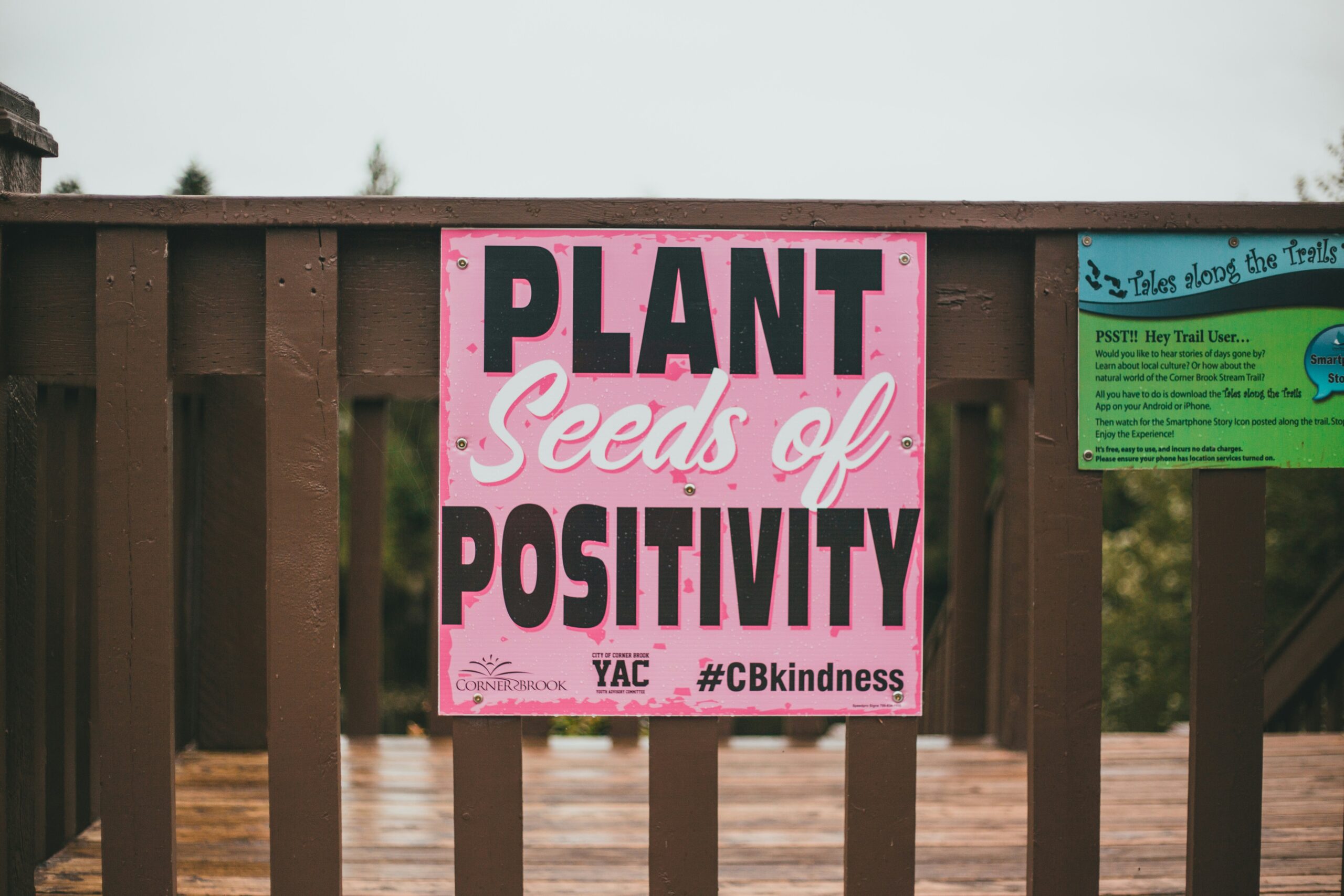
In fact, a study published in the journal Psychological Science found that positive self-affirmations activate brain regions associated with self-processing and valuation, such as the ventromedial prefrontal cortex. This means our brains are wired to respond favorably to uplifting messages, especially when they align with our self-concept.
Rewiring Negative Thought Patterns
Our brains tend to focus more on negative experiences, a phenomenon known as negativity bias. It’s a survival mechanism from our evolutionary past, when remembering dangers was crucial for staying alive.
Positive quotes help counteract this bias by injecting optimism into our thought patterns. When repeated regularly, they can-
- Replace negative self-talk
- Improve mental resilience
- Reinforce self-worth and confidence
This is closely related to the concept of neuroplasticity, which is the brain’s ability to rewire itself based on our thoughts and behaviors. By consciously engaging with positive quotes, we’re training our brains to adopt more optimistic and constructive thinking patterns over time.
The Psychology of Motivation and Self-Efficacy
Another reason positive quotes are powerful is that they enhance self-efficacy, our belief in our ability to succeed. Pioneered by psychologist Albert Bandura, the theory of self-efficacy suggests that when we believe in our capabilities, we’re more likely to take action, persist through challenges, and ultimately achieve our goals.
Quotes like “You are capable of amazing things” may seem simple, but they serve as cognitive cues that reinforce our belief systems and behavior.
Additionally, positive quotes often serve as external triggers for internal motivation. Think of them as little nudges reminding you of your values, goals, or past successes, especially when your inner critic is loudest.
Emotional Contagion and Social Influence
Ever noticed how one inspiring quote can go viral across platforms? That’s emotional contagion at work, the psychological phenomenon where people ‘catch’ emotions from others.
When someone shares a positive quote, especially with a personal context or story, it can inspire similar feelings in others. This ripple effect is why inspirational content performs so well on social media and why brands often use motivational messages in marketing campaigns.
Even in group settings, such as schools or workplaces, consistently sharing positive affirmations has been shown to boost morale, foster collaboration, and improve overall group well-being.
The Role of Repetition and Affirmations
Repetition is crucial when it comes to internalizing positive messages. This is where positive affirmations, a form of regularly repeated positive quotes, come in.
Scientific studies have shown that daily affirmations-
- Reduce stress
- Improve academic and work performance
- Encourage healthier lifestyle choices
When you repeat a phrase like “I am strong and capable” daily, it starts to influence your subconscious mind. Over time, your brain accepts it as truth, helping to overwrite limiting beliefs that may have been holding you back.
Real-Life Applications: Making Positive Quotes Work for You
Here are some practical ways to integrate the science of positive quotes into your daily life:
1. Morning Rituals
Start your day with a positive quote that sets the tone. Use a sticky note on your mirror, or subscribe to a daily motivation app.
2. Visualization Techniques
Pair quotes with mental imagery. For example, if you read “Success is a journey, not a destination,” visualize yourself enjoying each step of your personal or professional path.
3. Journaling
Write down a quote and reflect on how it applies to your life. Journaling helps reinforce the message and embeds it deeper into your thinking.
4. Mindfulness and Meditation
Incorporate quotes into your mindfulness practice. Repeat them silently during deep breathing or meditation sessions to anchor your focus.
5. Social Sharing
Share quotes that resonate with you. Not only does this reinforce the message for yourself, but it also spreads positivity to others.
Common Misconceptions: Are Positive Quotes Just “Toxic Positivity”?
It’s important to acknowledge that positive quotes aren’t a cure-all. They work best when used in balance, not as a way to suppress genuine emotions or ignore problems.
“Toxic positivity” is the tendency to overemphasize happiness at the expense of acknowledging pain. So while quotes can be uplifting, they should be used in conjunction with emotional honesty, self-awareness, and practical action steps.
Conclusion: Small Words, Big Impact
The next time you come across a quote like “You’ve got this” or “Every day is a fresh start,” know that it’s not just fluff. Backed by science and psychology, these small phrases can have a big impact, boosting your mood, changing your thought patterns, and improving your overall well-being.
Positive quotes work because they align with how our brains are wired, for connection, growth, and meaning. When used mindfully and consistently, they become powerful tools for transformation.
So go ahead, find that quote that speaks to you and make it your mantra.