
In today’s fast-paced world, stress, anxiety, and burnout have become common experiences. With work demands, digital distractions, and limited downtime, it’s no wonder mental health is suffering. But what if there were a simple, enjoyable, and scientifically backed way to improve your mental well-being?
Hobbies are more than just ways to pass the time, they’re powerful tools for enhancing mental health. Whether it’s painting, gardening, playing an instrument, hiking, or crafting, hobbies provide psychological benefits that are well-supported by research.
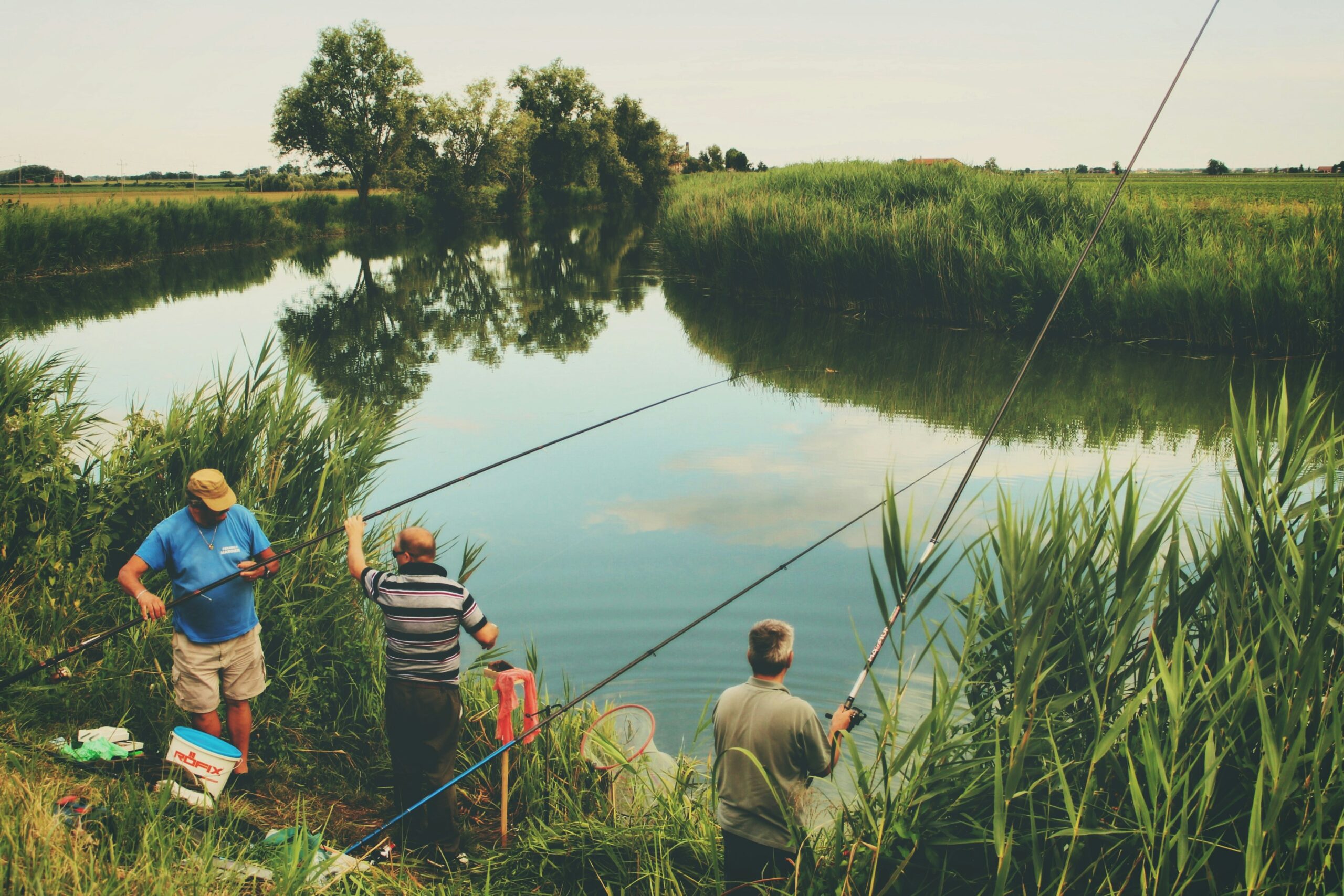
In this blog post, we’ll explore the mental health benefits of having a hobby, and why carving out time for leisure activities can significantly improve your emotional and cognitive well-being.
1. Hobbies Reduce Stress
Stress is a major contributor to various mental and physical health issues, including anxiety, insomnia, and heart disease. Engaging in hobbies helps lower stress levels by allowing your brain to focus on something enjoyable rather than sources of tension.
What Science Says-
A study published in Psychosomatic Medicine found that people who engaged in leisure activities had lower blood pressure, lower cortisol levels (the stress hormone), and a better sense of psychological well-being. Another study from The Annals of Behavioral Medicine noted that people felt more relaxed and less stressed on days when they engaged in a hobby.
2. Boosts Mood and Reduces Symptoms of Depression
Engaging in hobbies activates the brain’s reward system, releasing dopamine—a chemical associated with pleasure and motivation. This can help combat symptoms of depression, lift mood, and improve overall emotional health.
What Science Says-
According to a 2016 study published in The Journal of Epidemiology and Community Health, individuals who participated in hobbies, cultural activities, or community events had significantly lower rates of depression. The more frequently they engaged, the stronger the effect.
3. Enhances Mindfulness and Focus
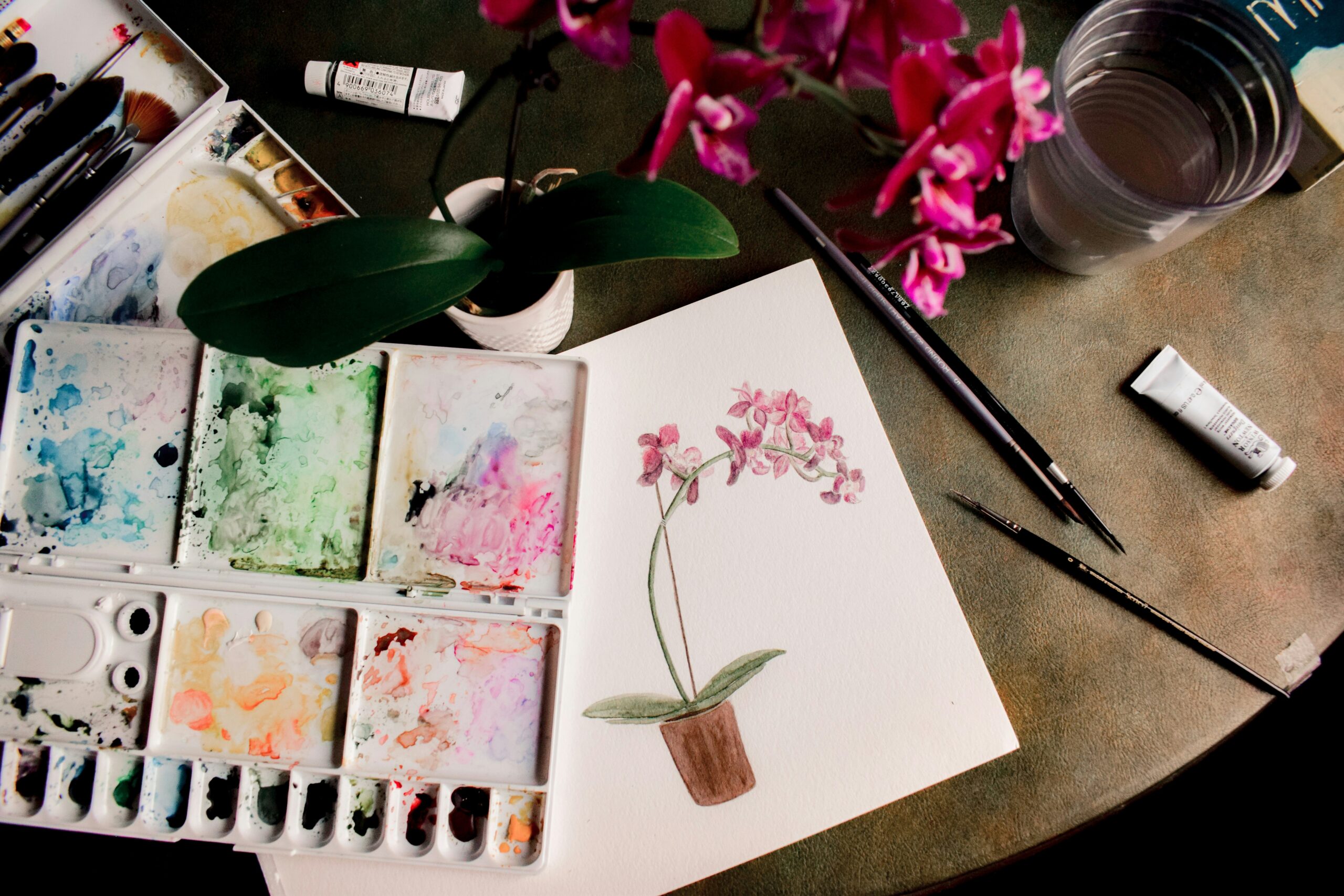
Many hobbies, such as painting, knitting, woodworking, or even adult coloring, require focus and concentration. This encourages a state of “flow,” where you’re fully immersed in the activity and lose track of time. This is closely related to mindfulness, a key factor in improving mental well-being.
What Science Says-
Psychologist Mihály Csíkszentmihályi coined the term flow to describe this state of complete absorption. Research shows that regular experiences of flow are linked to higher life satisfaction, better emotional regulation, and decreased anxiety.
4. Builds Confidence and Self-Esteem
Learning a new skill or improving at a hobby can boost self-esteem. Whether it’s mastering a song on the guitar or completing a DIY home project, hobbies provide a sense of achievement and purpose.
What Science Says-
According to a study in Psychology of Aesthetics, Creativity, and the Arts, engaging in creative hobbies is strongly linked to feelings of competence and personal growth. These activities not only improve self-perception but also increase resilience.
5. Encourages Social Connection
Many hobbies, like team sports, book clubs, or group classes, involve social interaction. Even solo hobbies, such as photography or writing, can lead to community through online forums or local events.
What Science Says-
Research in The American Journal of Public Health indicates that social hobbies are associated with decreased loneliness and improved emotional support networks, key factors in maintaining mental health.
6. Improves Cognitive Function
Challenging hobbies, such as learning a language, playing chess, or solving puzzles, help keep the brain sharp. These activities stimulate different areas of the brain, improving memory, concentration, and problem-solving skills.
What Science Says-
A study in Neurology found that seniors who regularly engaged in mentally stimulating hobbies had a significantly lower risk of cognitive decline. It’s never too early or too late to start.
7. Provides a Sense of Purpose
Having something to look forward to can significantly improve your outlook on life. Hobbies provide structure, goals, and motivation, which are especially valuable during retirement, illness, or major life transitions.
What Science Says-
A meta-analysis from The Lancet Psychiatry concluded that meaningful activities contribute to higher life satisfaction and reduced risk of mental disorders. People who felt they had a “purpose” through hobbies showed improved psychological resilience.
Final Thoughts: Your Mental Health Deserves Joy
Incorporating a hobby into your daily or weekly routine isn’t just fun, it’s an investment in your mental health. Whether you’re painting, cooking, writing, hiking, or collecting stamps, the activity itself matters less than the joy and relaxation it brings.
Quick Recap of Benefits-
- Reduced stress and anxiety
- Improved mood and reduced depression
- Enhanced mindfulness and focus
- Boosted self-esteem
- Increased social connection
- Improved brain health
- Renewed sense of purpose
So go ahead, pick up that paintbrush, dust off your guitar, or join that pottery class you’ve been eyeing. Your brain will thank you.